History
A thousand years of rice farming
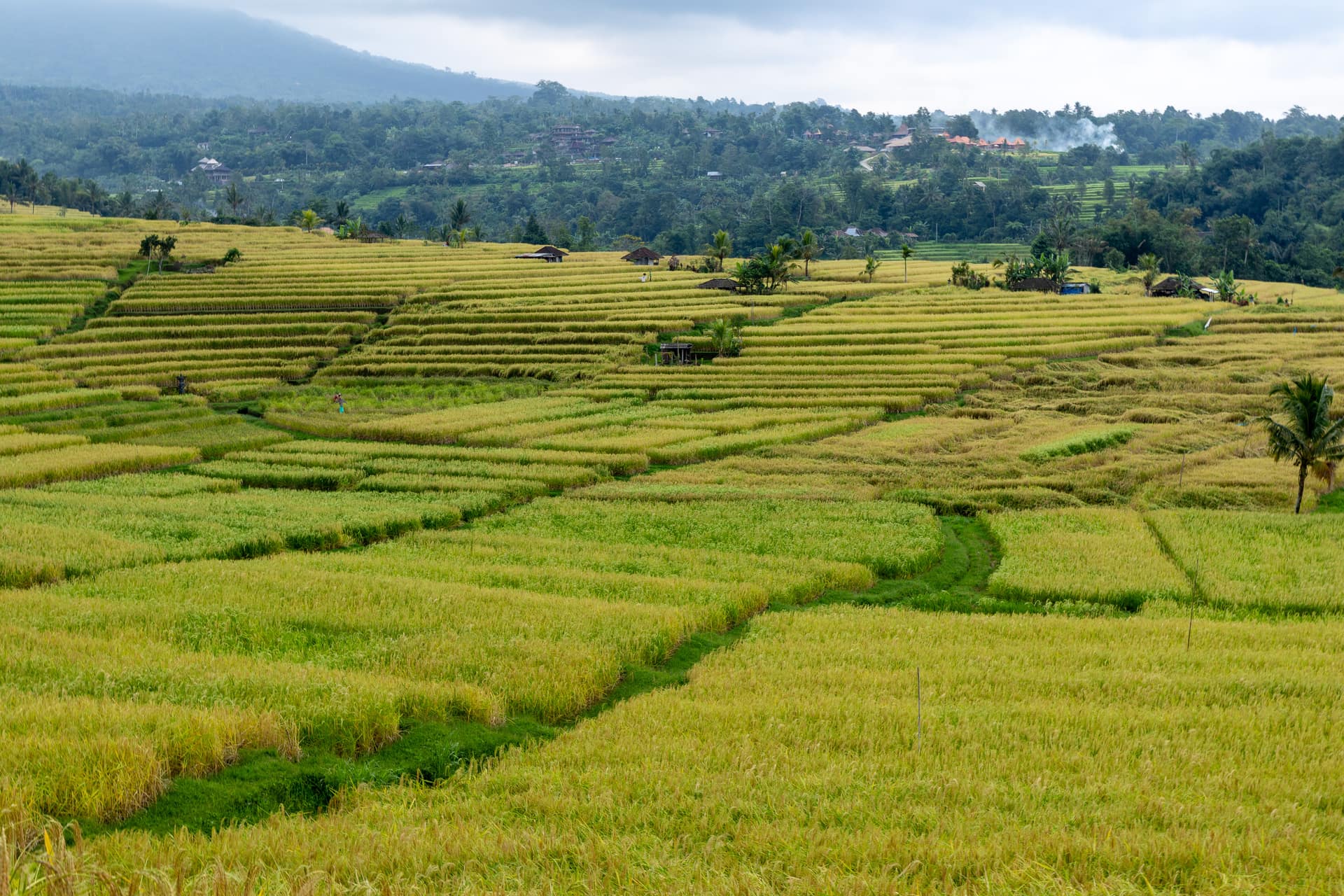
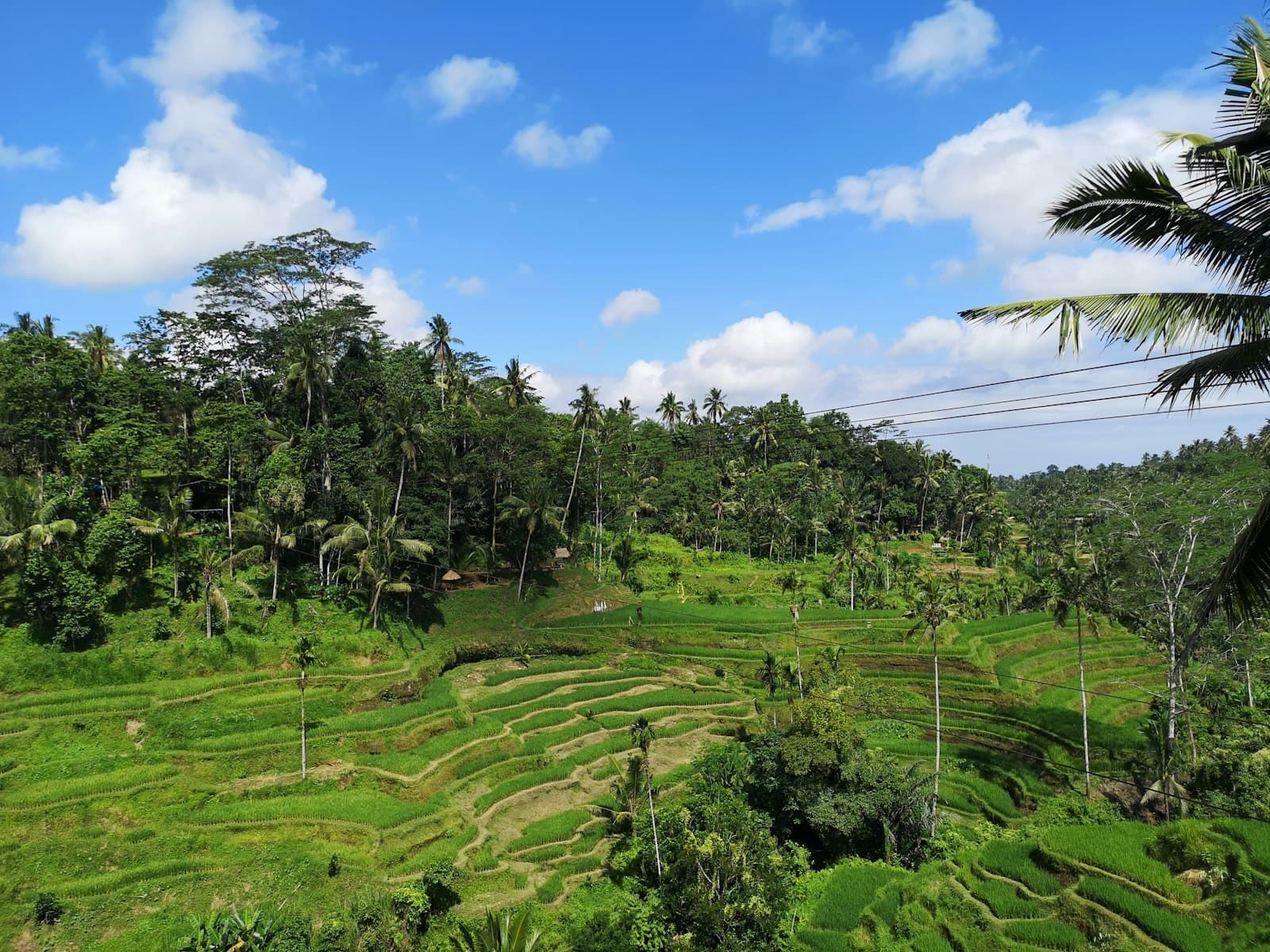
The terraces at Tegalalang are part of the subak - a cooperative system of irrigation that has shaped Balinese agriculture for at least a thousand years. The earliest royal inscription mentioning subak by name is the Sukawana inscription of AD 882, but archaeological evidence of paddy cultivation in central Bali goes back several centuries earlier.
The system is engineered into the land itself: a network of dams, tunnels, and graded channels carries water from a single spring or river down the volcanic slope, dividing and redividing it so that every terrace, however small, receives its fair share.
UNESCO recognition
In 2012, after years of campaigning by Balinese scholars and farmers, UNESCO inscribed five components of the Balinese subak landscape on its World Heritage list - including the rice terraces around Ubud and Tegalalang. The recognition was unusual in citing not the terraces themselves but the entire “cultural landscape”: the engineered fields, the ritual calendars, the water-temples that govern allocation, and the philosophical framework that holds it all together.
The listing also flagged a warning. Tourism revenue is starting to outcompete farming, and some of the most photographed terraces are now maintained more for visitors than for harvest.
Culture & context
Tri Hita Karana - the three harmonies
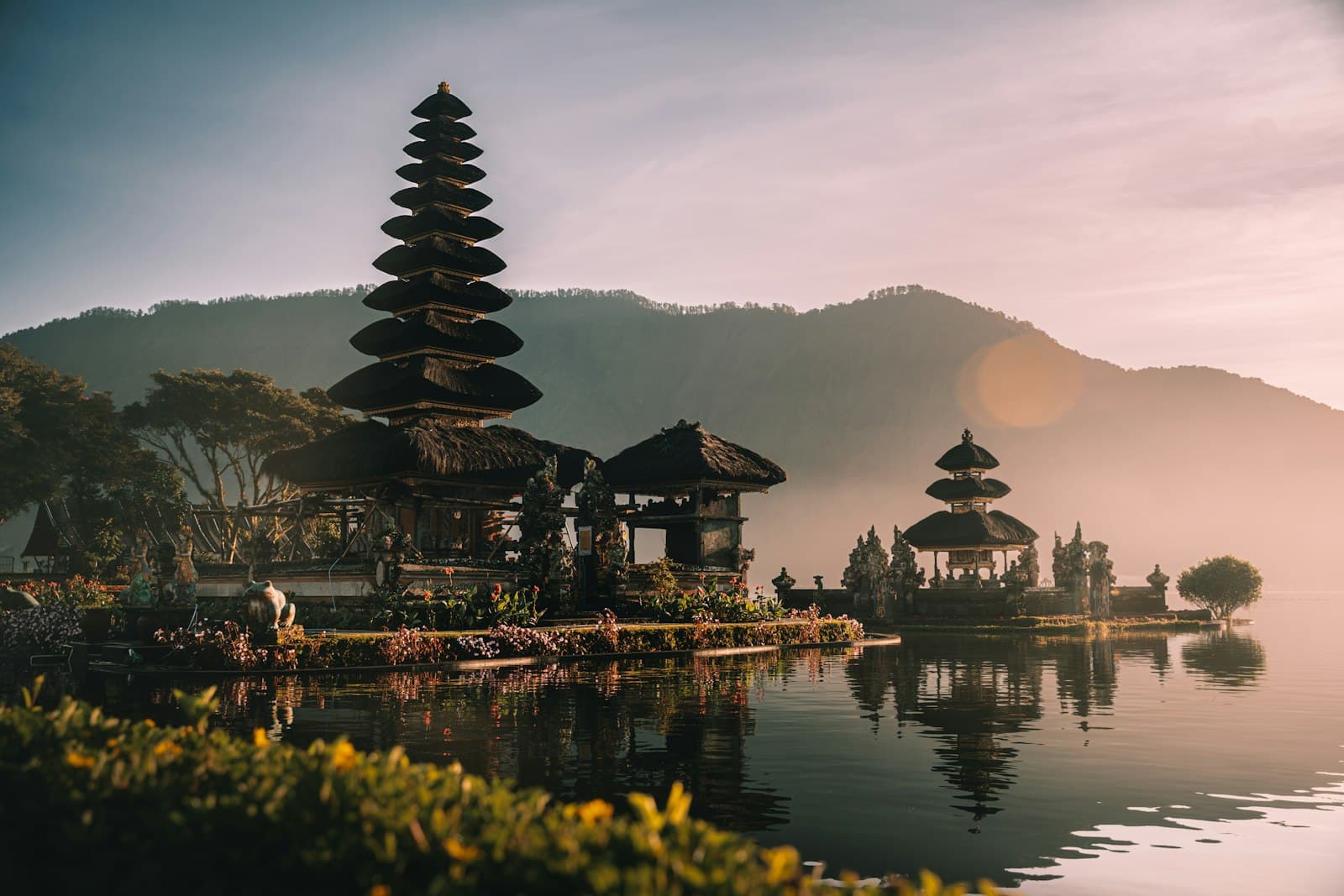
Subak is governed by Tri Hita Karana - the threefold harmony at the heart of Balinese Hinduism. Loosely translated as “the three causes of well-being”, it requires balance between human and the divine (parahyangan), between human and human (pawongan), and between human and nature (palemahan). For the subak, this is not an abstraction: every irrigation decision is also a ritual decision, every harvest is also a temple ceremony, and every farmer is also a member of a religious community whose responsibilities run through the year.
Subak as community democracy
Each subak - the social unit, not the field - is governed by its own elected klian, or head, and meets at its own pura subak, the water-temple where allocation is decided. Decisions are by consensus, and they are made in the presence of the gods, which is the point: water disputes are not just engineering problems but spiritual ones. The system has survived a thousand years of kings, colonisation, independence, and now mass tourism because every farmer has a vote and every drop of water has a story.
What to see
- The terrace viewpoint and the trails that drop down into the paddies
- The Bali Swing operators along the valley - multiple options at different prices
- Riverside cafés perched over the valley for a long breakfast or coffee
- Easy combined day trip with Ubud, Tirta Empul holy spring, or Tegenungan waterfall
Good to know
- Entry around IDR 25,000; expect small donations at photo points along the trail
- Wear shoes that you don’t mind getting muddy or wet, especially after rain
- The light is best between 9 and 11am - earlier is misty, later is harsh
- In the planting season (roughly Oct–Dec) the terraces are brown water; in the growing season they are bright green
Last updated
Interested in visiting Tegalalang?