History
From medicinal village to royal court
The name Ubud comes from the Old Balinese ubad - medicine - a reference to the unusually abundant medicinal plants that grew along the Wos river running through the valley. In the 8th century the Javanese sage Rsi Markandya is said to have led a group of settlers here to plant a sacred grove, founding what is now Pura Gunung Lebah at the river junction.
For the next thousand years Ubud was a place of healing and ritual, governed in time by an offshoot of the Sukawati royal house - the family of Puri Saren Agung, whose palace still occupies the main crossroads. The current royal compound dates to the early 1800s and remains the family seat.
The artists who reshaped Ubud
In 1927 the German painter Walter Spies arrived in Ubud and accepted the royal family’s invitation to live there. He brought with him a fascination with Balinese painting and dance, and over the next decade he hosted a stream of Western artists, musicians, and anthropologists - among them Rudolf Bonnet, Margaret Mead, and Charlie Chaplin - who collectively re-introduced Bali to the world.
With Bonnet and the Balinese prince Cokorda Sukawati, Spies founded Pita Maha, an artists’ collective that transformed Balinese painting from temple decoration into a self-conscious modern tradition. The galleries you walk past in Ubud today are the descendants of that movement.
Culture & context
Balinese Hindu daily life
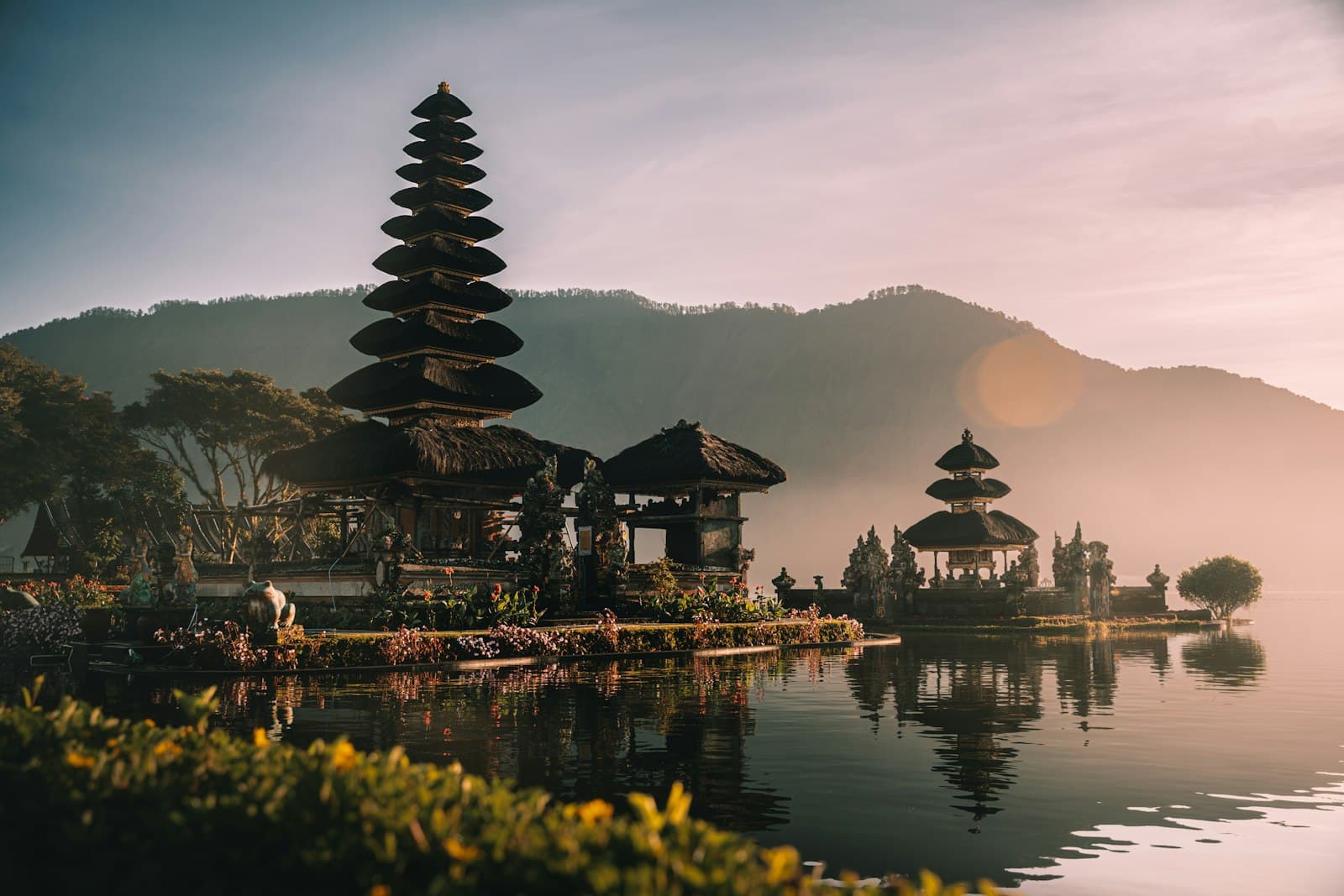
Walk anywhere in Ubud and you will see small woven palm-leaf baskets - canang sari - set out on doorsteps, dashboards, motorbikes, and the edges of rice paddies. Each contains flowers, a pinch of rice, and a stick of incense, and each is placed there fresh that morning by a family member as a daily offering to the Balinese Hindu gods. Larger ceremonies - odalan temple anniversaries, tooth-filings, weddings, cremations - happen constantly and are often visible from the street; you may find your driver pulled over because a procession is crossing the road.
Dance and gamelan
The dance performances staged most evenings at Ubud Palace are not folk entertainment - they are condensed versions of the religious dance dramas that punctuate Balinese ritual. Legong is the courtly classical form, all crisp finger movements and trembling eyes. Barong, with its lion-like creature and the witch Rangda, dramatises the eternal Balinese tension between order and chaos. The accompanying gamelan orchestra - the bronze keys, the gongs, the cyclic interlocking rhythms - is itself considered sacred and is rarely heard outside ceremonies and the tourist performances that have grown up around them.
What to see
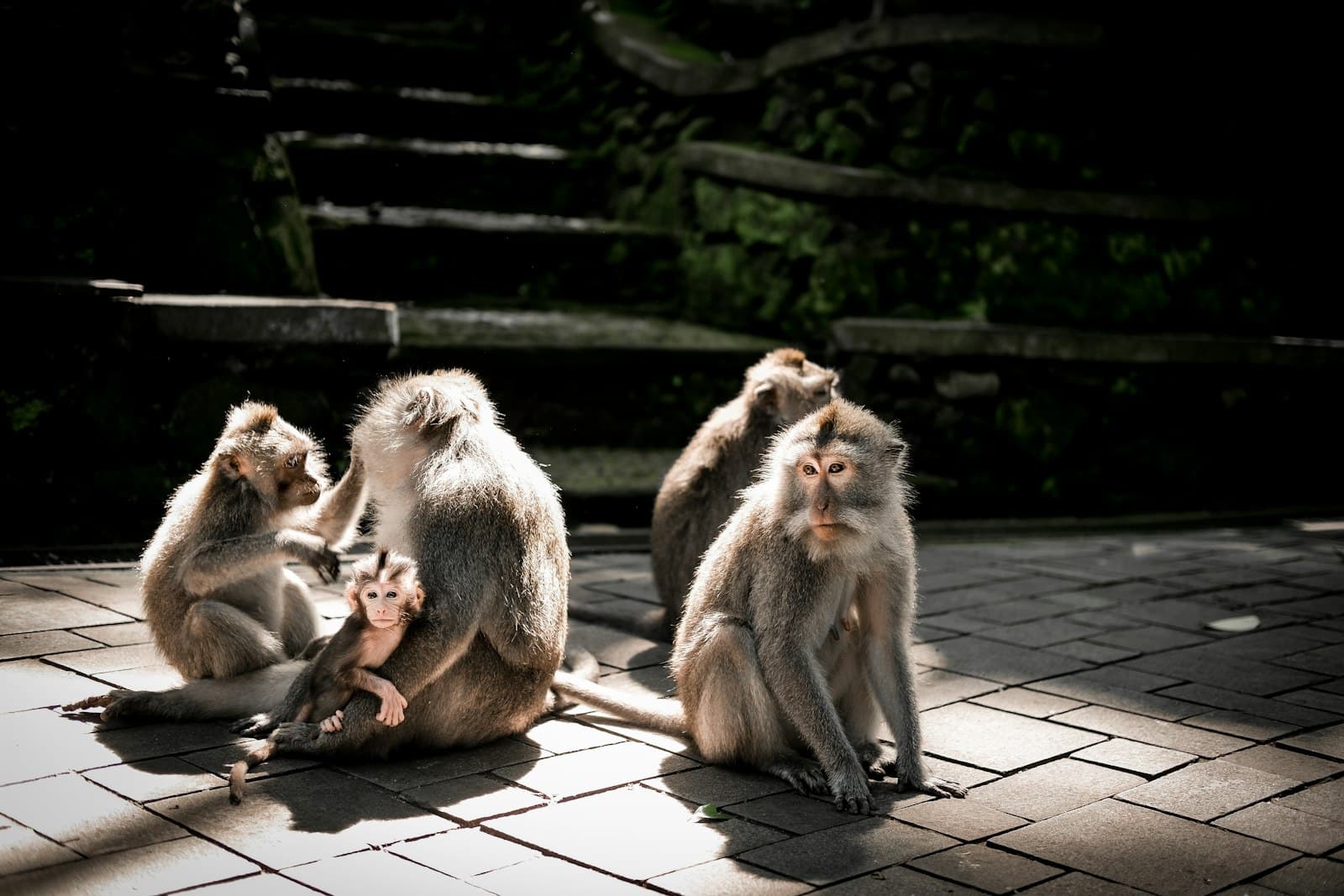
- Sacred Monkey Forest Sanctuary - three temples set within a banyan-rooted forest of cheeky long-tailed macaques
- Ubud Palace (Puri Saren Agung) - free to wander; classical dance performances most evenings
- Saraswati Temple with its lotus-pond approach
- Ubud Art Market for textiles, baskets, and souvenirs
- Campuhan Ridge Walk - a free, easy paddy ridge walk best at sunrise
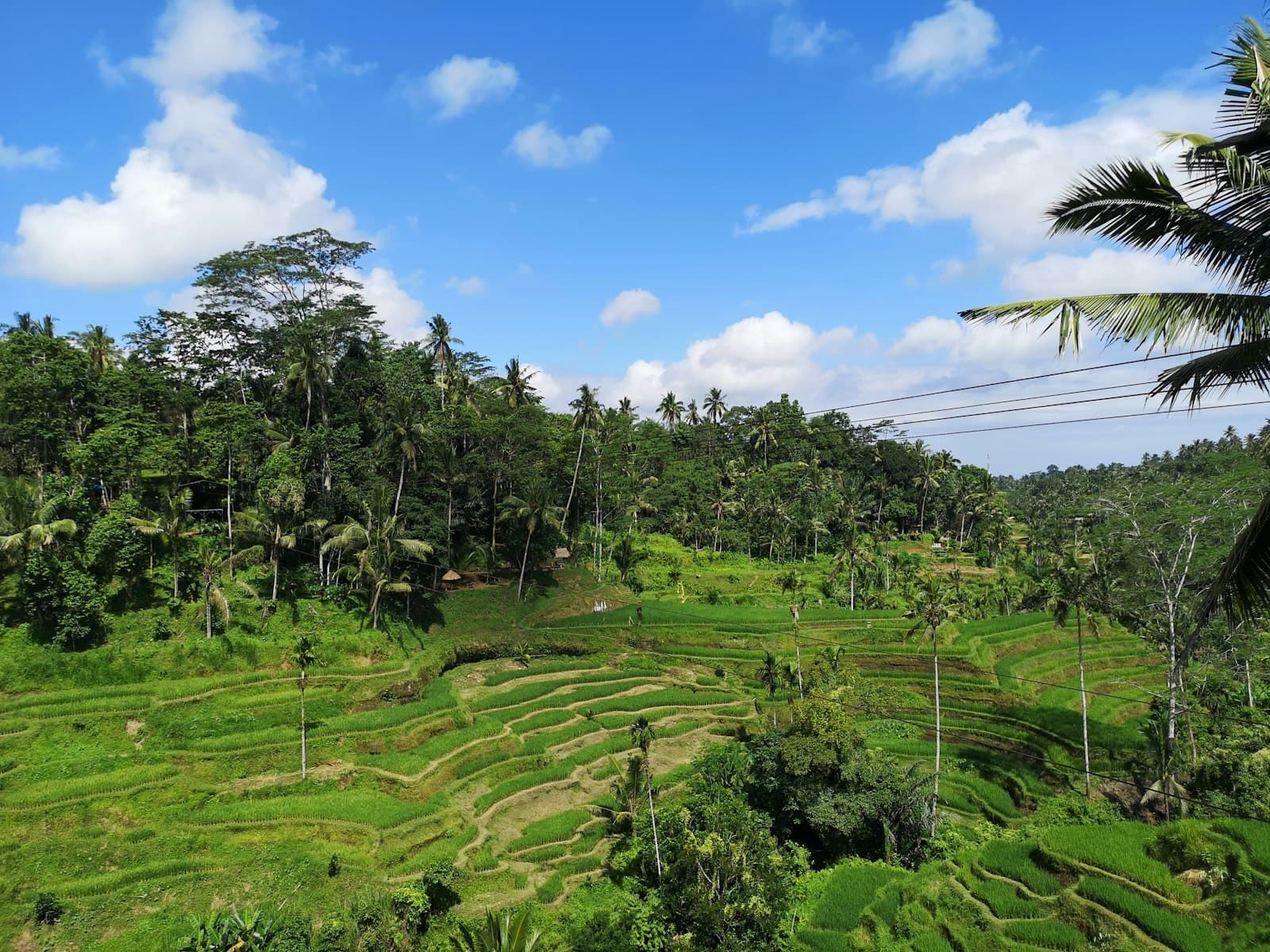
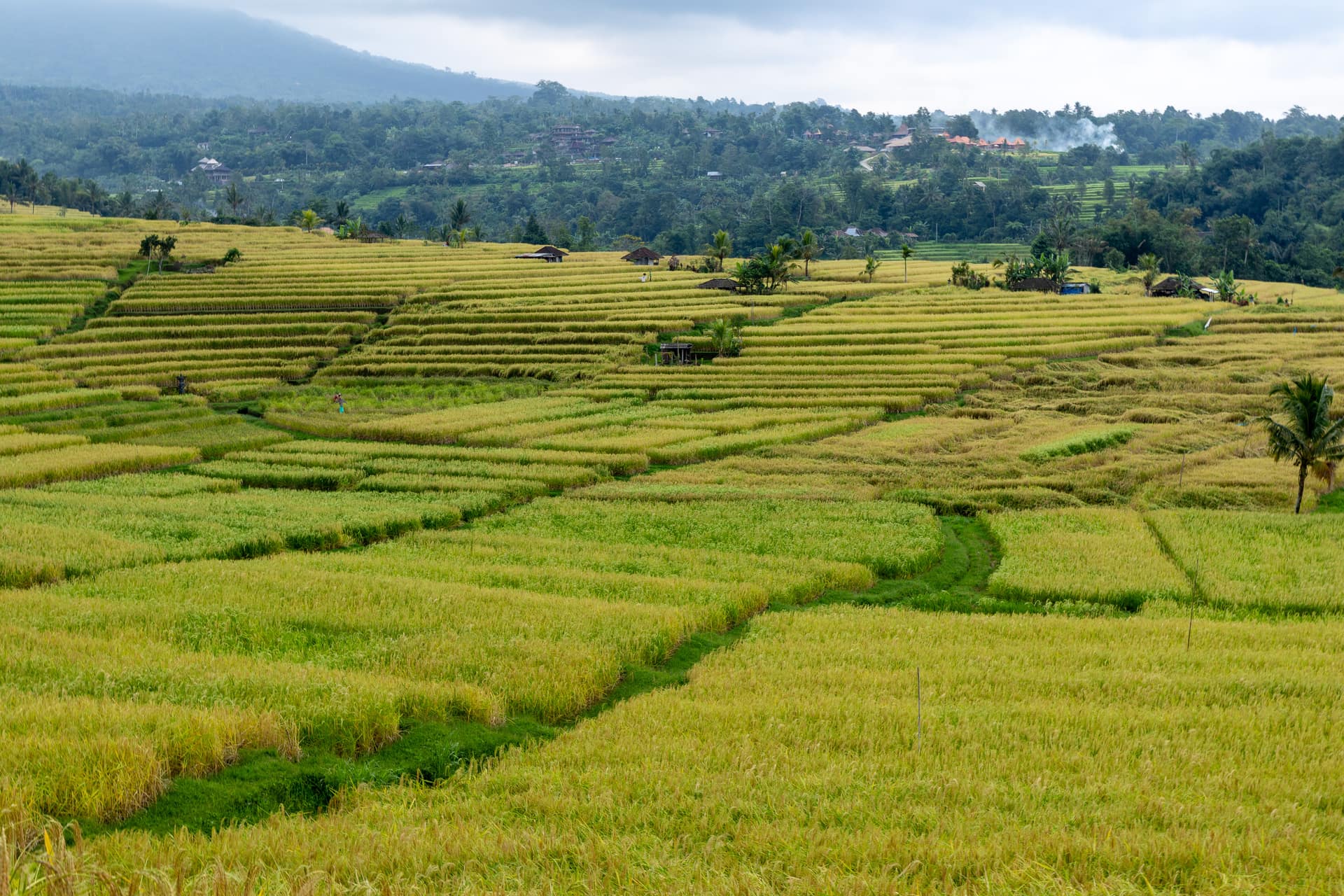
- Day trips to Tegalalang rice terraces, Tegenungan or Tibumana waterfalls
Good to know
- Stay at least one night if you can - the town empties out after the day-trip buses leave
- Most palace dance performances start at 7:30pm; tickets bought at the gate
- Traffic in the town centre is slow; consider being dropped at the palace and walking
Last updated
Interested in visiting Ubud?