Culture & context
A working landscape, not a viewpoint
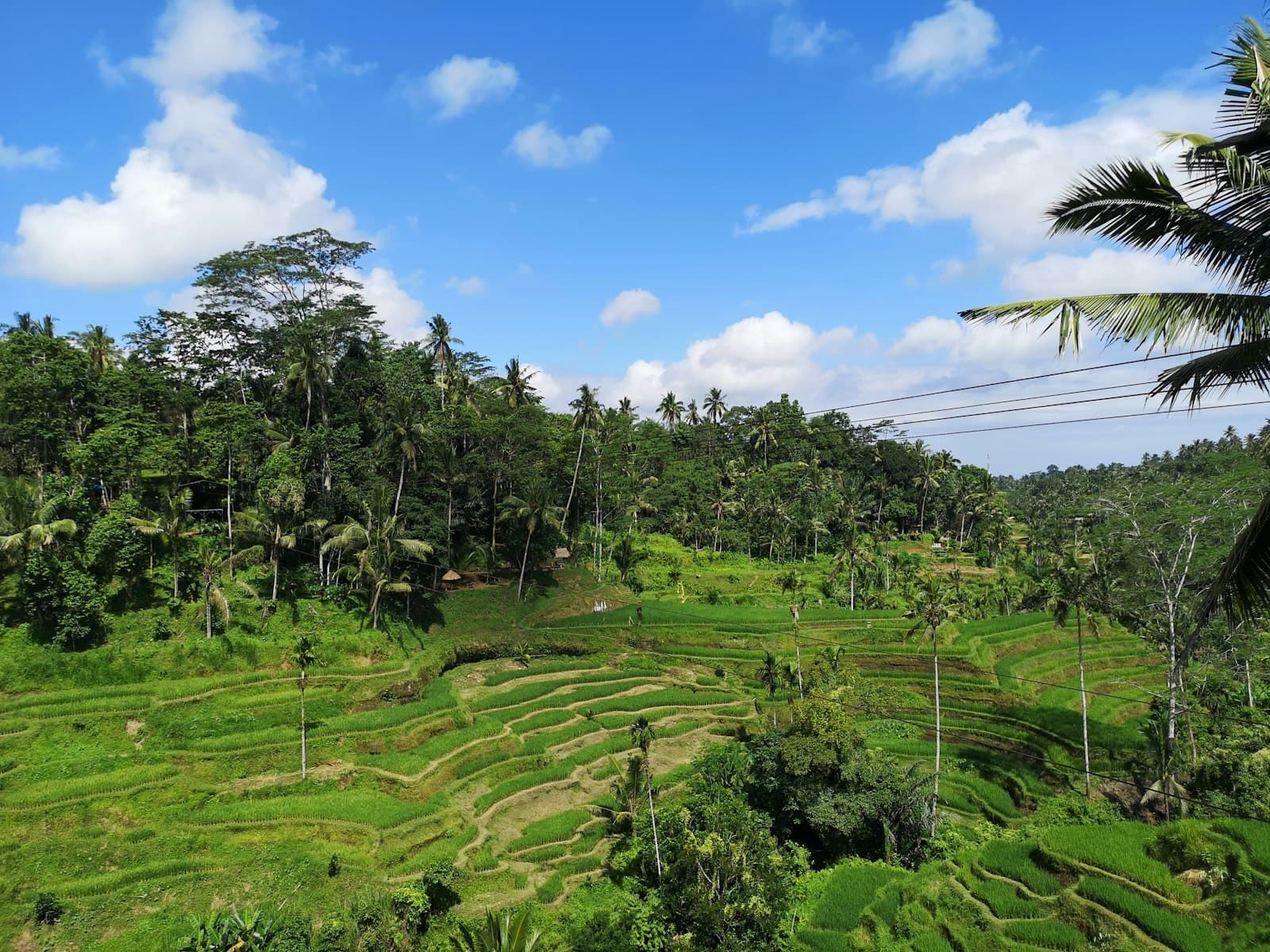
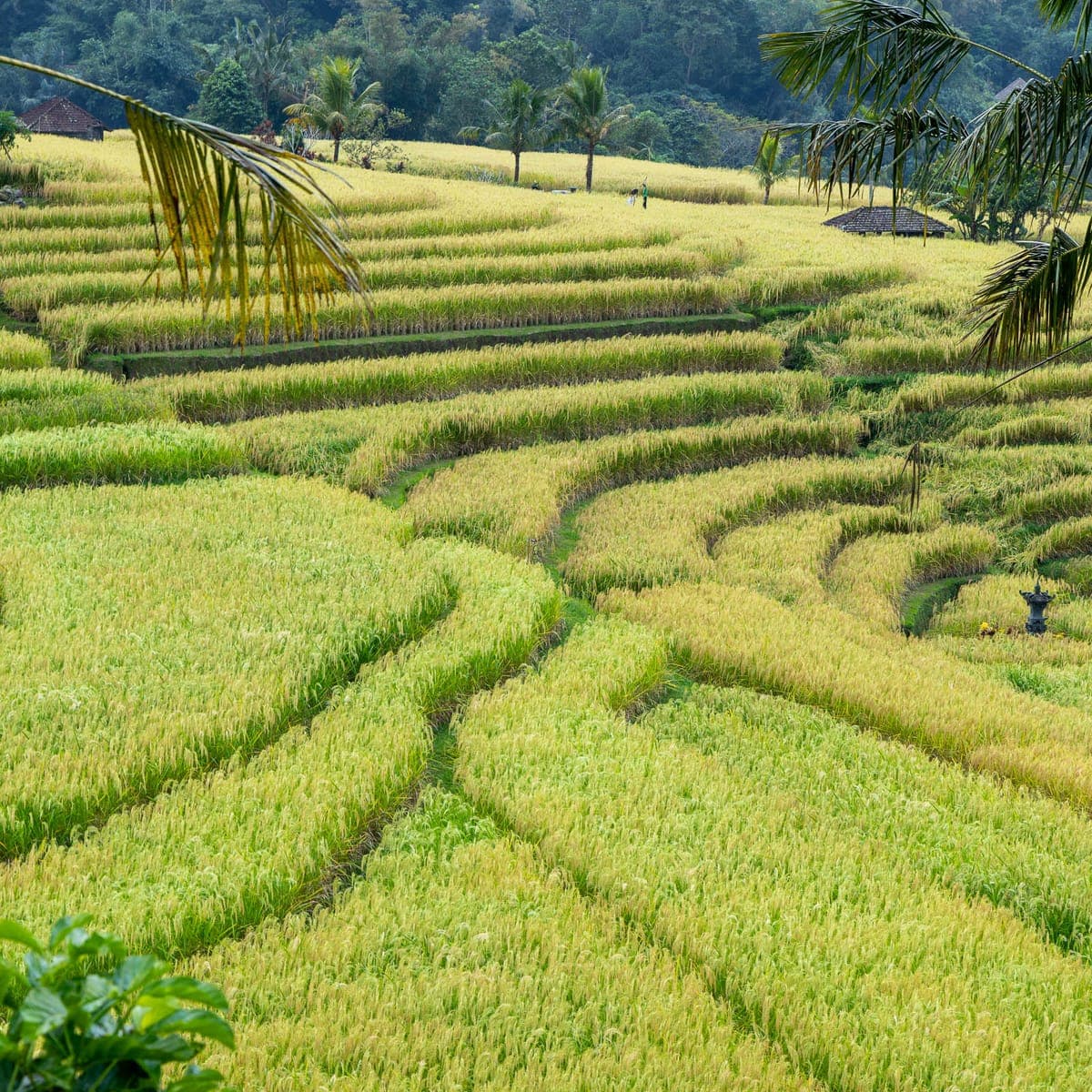
Jatiluwih’s 600 hectares of terraced paddies have been recognised by UNESCO since 2012 - not for being picturesque, but for the living irrigation system that sustains them. The subak, a cooperative water management network rooted in Hindu philosophy, has organised Balinese rice farming for over a thousand years. What you see at Jatiluwih is still actively farmed using these ancient methods.
Unlike most of Bali’s celebrated rice scenery, which is viewed from a single stopping point, Jatiluwih has a proper trail network. Three marked routes fan out through the paddies: a 45-minute loop for those short on time, a two-hour circuit that climbs into the upper terraces, and a three-hour route that reaches the edge of the Batukaru forest. All routes begin at the main entrance and are clearly signposted.
No two visits look the same
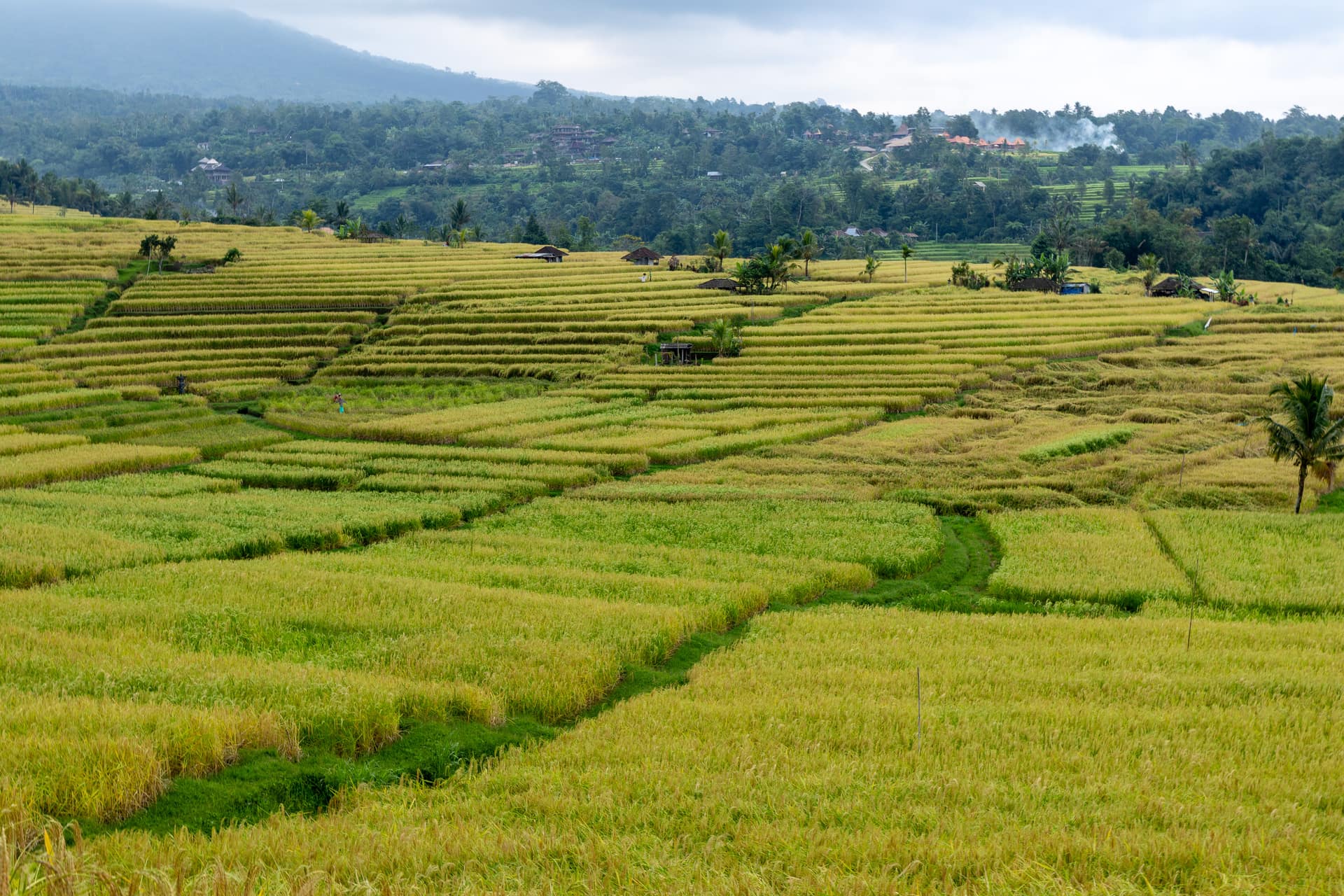
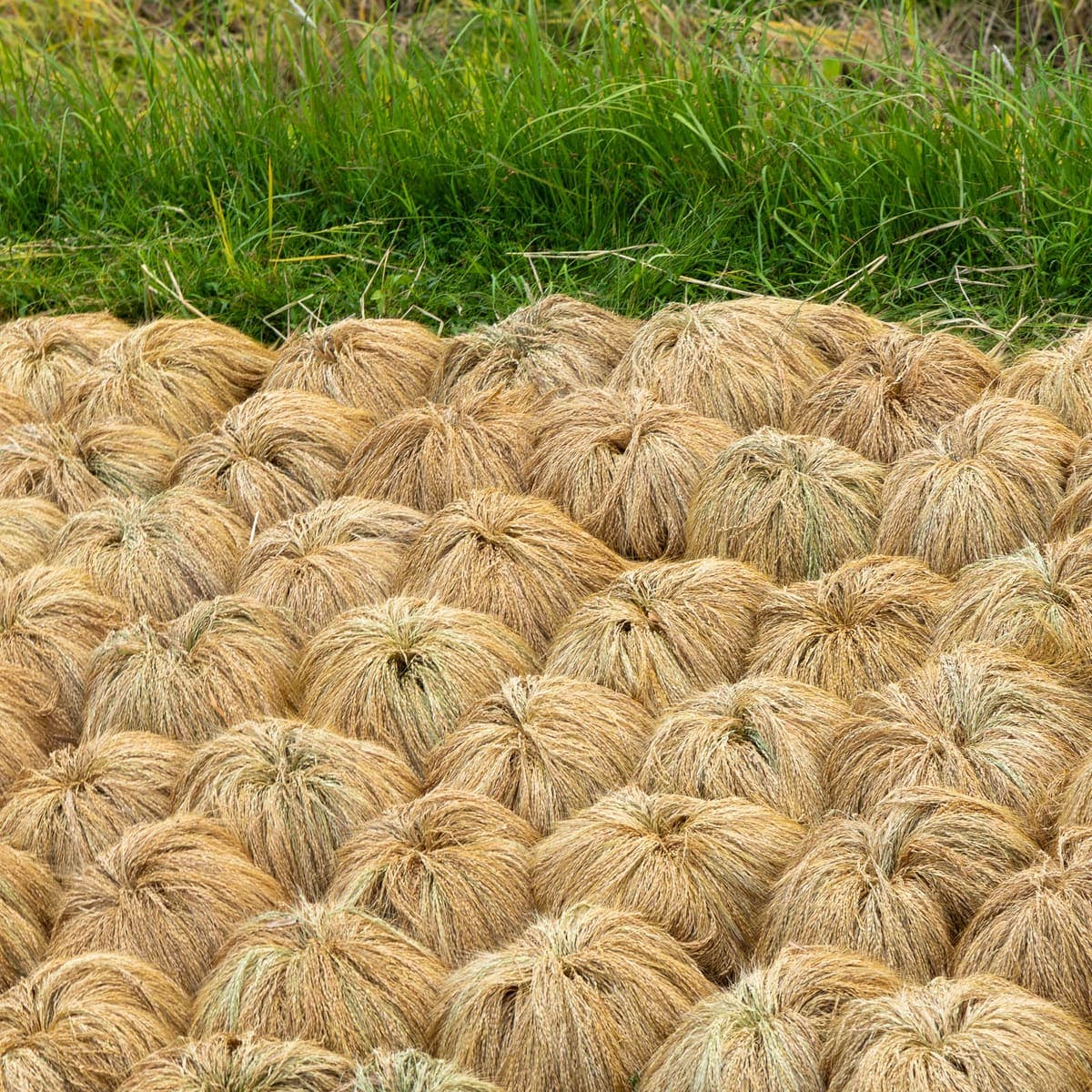
The terraces cycle through a continuous rhythm of planting, growth, flooding, and harvest - and each phase transforms the landscape entirely. Freshly planted paddies shimmer with vivid green shoots. Flooded fields before planting reflect the sky. At harvest, the slopes turn gold and the air fills with the smell of cut rice. Balinese farmers do not follow a fixed calendar; different plots are at different stages simultaneously, so the patchwork of colours changes week to week.
If you visit during harvest - most common between June and August, though it varies - you may see farmers cutting by hand with traditional sickles, bundling stalks, and threshing grain on the spot. It is quiet, unhurried work, and nobody minds you watching from the trail path.
Walking the terraces
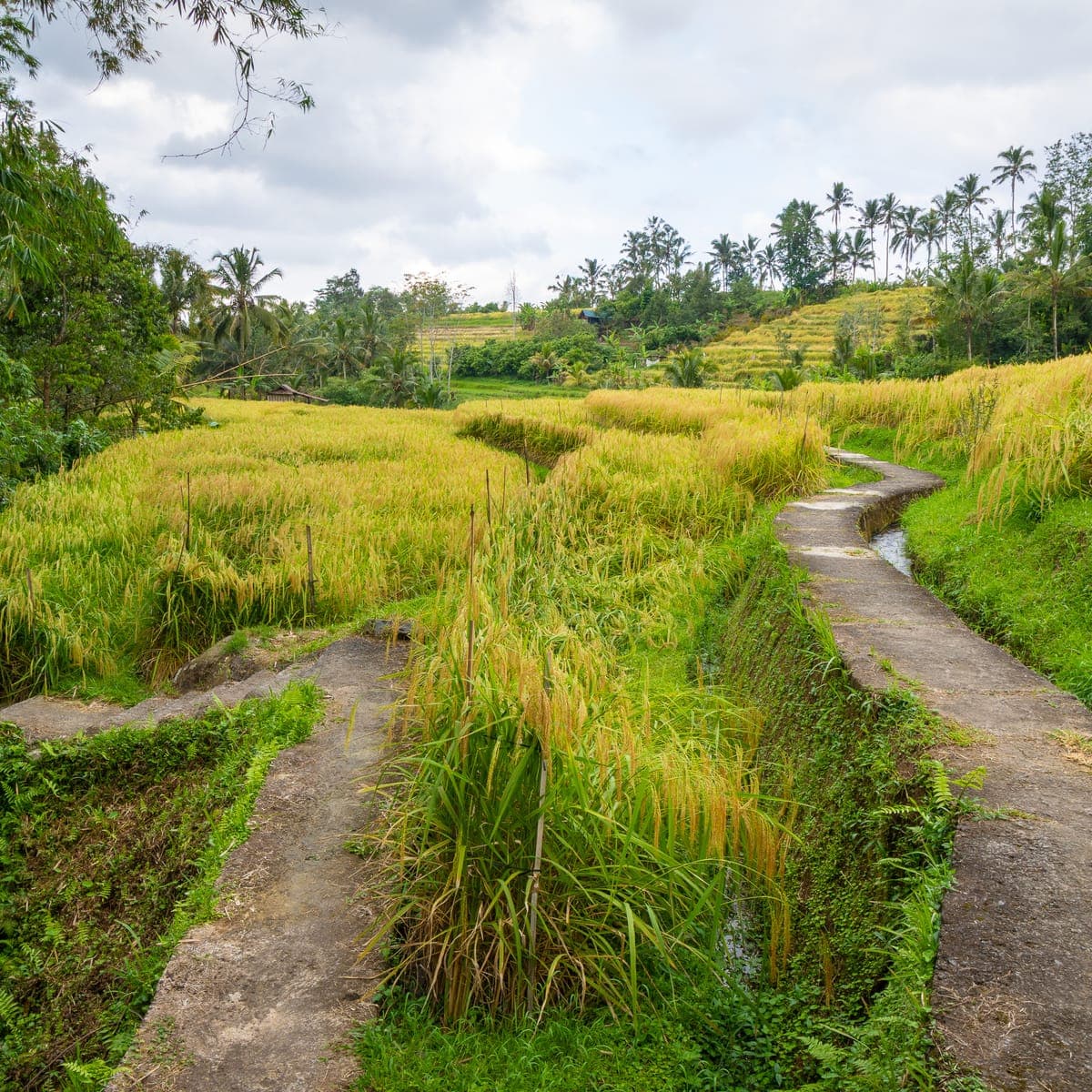
The trails follow raised earthen bunds between the paddies - narrow in places, wide enough for two people walking side by side in others. The 45-minute loop stays close to the entrance and is suitable for most fitness levels, including children. The two-hour route gains some elevation and offers wider views back across the valley toward the coast on a clear day. The three-hour trail is a proper walk: take water, wear shoes with grip, and start before 8 AM to avoid the midday heat.
There are a handful of warungs along the routes serving cold drinks, fresh coconut, and simple rice dishes. The one with views from its terrace about halfway along the two-hour loop is worth the stop. The landscape is quietest on weekday mornings; weekends bring more domestic tourists, particularly from Denpasar.
Good to know
- The Rp 75,000 entry fee goes directly to UNESCO heritage maintenance and subak farmer support - it is worth paying.
- Parking is at the main entrance. Your driver waits there; there is a warung and shaded seating.
- Wear shoes you don’t mind getting muddy. The bund paths are well-maintained but can be slippery after rain.
- Bring water. The warungs along the route sell drinks but supply is limited on the longer trails.
- Photography is unrestricted. Farmers generally do not mind being photographed from a respectful distance - do not step into active paddies for a closer shot.
- Sunrise visits are possible but the entrance gate may not be staffed before 7 AM - check current hours on arrival.
- Jatiluwih rewards those who actually walk it. The view from the road is fine; the view from the middle of the upper terraces, with the Batukaru ridge behind you and nothing ahead but layered green, is something else.
Last updated
Interested in visiting Jatiluwih Rice Terraces?